


Rainbow Chip is a Sunset Sherbet × Mint Chocolate Chip hybrid, bred by Exotic Genetix. It is known for sweet fruit, mint, and citrus notes, often with a chocolate-like or earthy finish. The original growing description recommends a medium-height, multi-topped bush with a 56–63-day flowering window.
That makes Rainbow Chip interesting for growers who want several well-developed flower sites rather than one oversized main cola. But “multi-topped” does not mean cutting every branch repeatedly. The goal is an organized plant that can finish cleanly, with enough light and space around its strongest tops.
Seed format matters, too. Rainbow Chip F2 regular seeds can produce male and female plants, so a full tray of seedlings is not the same as a full tent of flowering females. This guide covers that planning step alongside training, feeding, harvest, and choosing a plant worth growing again.
Cultivation information is educational and applies only where cannabis growing is lawful.
| Feature | Useful expectation |
| Parent cross | Sunset Sherbet × Mint Chocolate Chip |
| Hybrid description | Originally listed as a 50/50 hybrid; not a prediction of effects or exact plant shape |
| Original growth guidance | Medium height, trained as a multi-topped bush |
| Flowering reference | 56–63 days for the original line; individual plants and releases can differ |
| Rainbow Chip F2 | A subsequent generation made from Rainbow Chip × Rainbow Chip; the breeder’s F2 release is regular |
| Flavor direction | Sweet fruit, mint, lime or citrus, sometimes chocolate-like depth |
| Reported experience | Uplifting, sociable, or energetic for some consumers; others report more relaxation |
| Main grow decisions | Confirm seed format, identify sex when needed, then organize the strongest branches |
A universal THC average, guaranteed yield, or fixed stretch multiplier is not established here. For a finished batch, use its own test report. For your garden, use observations from the actual plants.
Sunset Sherbet supplies one side of Rainbow Chip’s dessert-family background. Mint Chocolate Chip supplies the other. The parent pairing is well documented, but assigning every feature to one parent is less reliable. A seed plant inherits a combination of traits, not two neatly separated halves.
Expect a flavor direction rather than an exact dessert recipe. Reports include mint and bright citrus, while other descriptions emphasize sweet fruit and chocolate. Chocolate-like notes can be subtle, and a plant leaning toward lime or herbal mint is not automatically a poor example of the strain.
If you want context for the Sherbet side of the family, the Sunset Sherbet grow guide covers that cultivar separately. It should not be used as a substitute schedule for Rainbow Chip.
Limonene, caryophyllene, and pinene appear in tested-product profiles. They provide useful information about particular batches, but their order and concentration need not match every seed plant. Nor does the presence of a familiar terpene fully explain a complex mint-chocolate flavor.
No. A 50/50 label describes a breeding classification, not half-strength cannabis or a guarantee of clear-headed use.
Consumer accounts often describe an uplifted, lively experience with room for relaxation. That may explain Rainbow Chip’s social reputation, but it does not make intoxication predictable or compatible with driving. Dose, tolerance, the finished batch, and the way it is consumed all matter.
Anxiety, paranoia, and dry mouth also appear in consumer reports. There is no sound basis for promising that the Sherbet side will cancel unwanted stimulation. Likewise, a high THC result is not proof that a plant will taste better or suit a particular person.
Rainbow Chip is not an alternative name for Runtz. Rainbow Sherbet and Rainbow Runtz labels also refer to other material. Check the stated cross rather than treating “Rainbow” as a genetic identity.
Three separate pieces of information can appear on a seed label: cultivar, generation, and sex format. Keep them separate when choosing your workflow.
F2 indicates a subsequent filial generation, in this case made by crossing Rainbow Chip plants. It does not mean feminized, autoflowering, or an improved clone. Traits can separate into different combinations across that generation, making plant-by-plant evaluation worthwhile. The original cross can vary, too.
| Starting material | What it means for the grow | Main planning task |
| Rainbow Chip regular seed | Male and female plants may appear | Reserve time and access for sex identification |
| Rainbow Chip F2 regular seed | Generation and regular sex format are both specified | Label individuals and compare traits without expecting uniform plants |
| A feminized Rainbow Chip release | Intended to produce female plants; its exact breeding method belongs to that release | Verify the full label and continue checking flowers |
| An identified female clone | Repeats an individual plant’s genetics | Check incoming plant health and obtain that cut’s grow history |
For a first attempt in a small space, an identified female clone or clearly labeled feminized release simplifies planning. Regular seed is useful when you want a broader selection process and can handle the uncertainty. Neither format automatically guarantees better flower.
A clone’s known performance can help with timing, but it cannot reproduce another garden’s lighting, irrigation, or root conditions. Seed plants require even more room for adjustment.
Do not put every seedling into its final canopy position on the assumption that each will remain there. With regular Rainbow Chip material, some may prove male, and a small group need not divide evenly between the sexes.
Keep labels readable and containers movable while plants establish. Avoid weaving unconfirmed plants so tightly into a shared screen that removing one would damage its neighbors. Also stay within the plant limits that apply to your location; “extras for selection” are still plants.
Look where branches meet the main stem. Female preflowers typically develop small bracts with fine, protruding stigmas—the hairs growers often call pistils. Male structures develop as small rounded flowers or sacs, commonly on short stalks, without those paired hairs.
A pointed stipule beside the node is not enough to identify sex. Neither leaf width nor the fastest growth proves that a plant is male. When the structures are unclear, mark the plant as unresolved and inspect again rather than guessing.
There is no reliable Rainbow Chip-specific day when every plant will show unmistakable flowers. A suitable DNA test is another option for earlier sex identification, although it does not replace later inspection for pollen-producing flowers.
For a seedless-flower grow, separate confirmed males before their flowers open. If sacs are already mature, avoid shaking the plant through the garden. Contain it carefully and clean tools or clothing that may carry pollen.
Distance within one tent is not isolation. Fans and handling can move pollen, so a male left at the opposite corner is still a concern.
Continue inspecting plants after they are identified as female. Feminized seedlings and female clones can also develop pollen-producing structures. This is a general cannabis consideration, not evidence that Rainbow Chip is unusually prone to it.
Once your female lineup is established, reassess spacing. Do not automatically fill every gap with more branches; the surviving plants still need room for flower expansion and inspection.
The original recommendation is a useful starting point: encourage multiple leaders rather than relying on an untrained central stem. The important detail is whether those leaders have room to develop.
Begin with a healthy, actively growing photoperiod plant. Topping removes the growing tip and encourages lower shoots to compete for leadership. Follow with gentle branch positioning to spread those shoots instead of letting them rise together in one dense column.
Do not top a struggling plant simply because it has reached a certain node number. Establishment and recovery matter more than copying a calendar. If growth remains slow, investigate roots, irrigation, or light before adding another cut.
After the plant responds, examine the shoots from above and from the side. Favor branches with useful light exposure and a clear path upward. A weak interior shoot squeezed between two stronger leaders may add congestion without producing worthwhile flower.
This does not require stripping the plant bare. Fan leaves support growth, and some shade changes as branches move. Remove selected growth for a clear reason rather than to achieve a symmetrical photograph.
| Checkpoint | What you want to see | Reason to pause or adjust |
| After initial topping | Several healthy shoots resuming active growth | Persistent droop, stalled growth, or unresolved root stress |
| Before flowering | Leaders spread across the available area, with practical access | Branches stacked in the center or plants already crowding neighbors |
| During early stretch | Tops staying within the light’s usable coverage | One plant racing above the rest or repeated branch contact |
| As buds gain weight | Supports holding branches without trapping flowers together | Leaning stems, tight clusters, or hidden sites that cannot be inspected |
A support net can help, but it is only useful if you can still reach the plants. In a regular-seed run, delaying a fixed shared net until sex is resolved can save substantial disruption.
Use a second topping only where it improves the layout. More tops divide the plant’s available resources among more sites; the number itself is not a yield measure. Fewer well-positioned leaders can be easier to manage than a crowded mass of small flowers.
For an indoor photoperiod grow, a consistent 12-hour light and 12-hour dark cycle is the usual flowering trigger. Choose the transition when healthy plants have useful structure and enough room for further expansion.
The breeder’s medium-height description does not establish a universal stretch multiplier. Leave clearance and monitor early-flower growth. If two seed plants behave differently, adjust their branch positions or container placement rather than forcing identical shapes.
Make major cuts before substantial flowers develop. Later, focus on support and targeted removal of problem growth. Avoid turning every weekly check into another aggressive pruning session.
Rainbow Chip’s “heavy producer” description is not a nutrient prescription. There is no verified cultivar-wide feed strength that can be copied into soil, coco, and hydroponics alike.
Choose a complete nutrient program compatible with your medium and water supply. In amended soil, some nutrition is already present. In coco or a hydroponic system, irrigation and nutrient delivery are more closely linked. The hydroponics versus soil comparison explains those differences, including coco.
If one plant reacts differently from the others, inspect its own container. Different root development and plant size can produce different water use within the same seed run. Matching every pot’s watering frequency may be convenient but inappropriate.
Watch the pattern of symptoms. Damage confined to exposed upper leaves calls for a light and heat check. Slow growth in a persistently wet container calls for a root-zone check. Neither observation justifies an automatic increase in bloom nutrients.
Keep notes when changing the feed or irrigation approach. Measuring input and root-zone conditions can help in systems where those readings are meaningful, but a number without its sampling method can mislead.
For the canopy, temperature and humidity work together. Use the cannabis VPD chart and guide to understand vapor pressure deficit rather than choosing humidity from the strain’s hybrid label.
Check dark-period conditions, when cooler air can raise relative humidity. As the multi-top canopy fills out, leaves and flowers can create less ventilated pockets. Keep air moving gently through the plant and make sure room moisture is actually being removed. A fan circulates moisture; it does not dehumidify.
The original 56–63-day reference means flowering time, not total time from germination. Vegetative growth, recovery after training, and any selection work add to the overall schedule.
Treat that window as a planning reference for the original line, not an independently verified finish date for every F2 plant. Keep the light-change date in your notes and record when flowers visibly establish. Those records clarify comparisons with growers who count differently.
During flowering, watch for uneven development. One tall, exposed top should not decide the harvest date for several lower branches. Inspect representative flower positions and look at trichomes on the flower bracts, not only the resin on protruding leaves.
Trichome appearance, flower development, and plant health together provide a more useful maturity assessment than browned hairs alone. No exact cloudy-to-amber ratio guarantees a particular effect or terpene peak.
Dense flowers require attention where adjacent tops touch or where an isolated leaf turns brown inside a bud. Check suspect tissue carefully. Separate compromised material and do not consume mold-contaminated flower. There is no established Rainbow Chip resistance rating that makes those checks unnecessary.
Outdoors, the advertised indoor window does not translate into one dependable harvest month. Flower initiation and autumn weather depend on location. Give plants direct light, airflow, and branch support, then consider whether local late-season conditions allow the actual plant to finish.
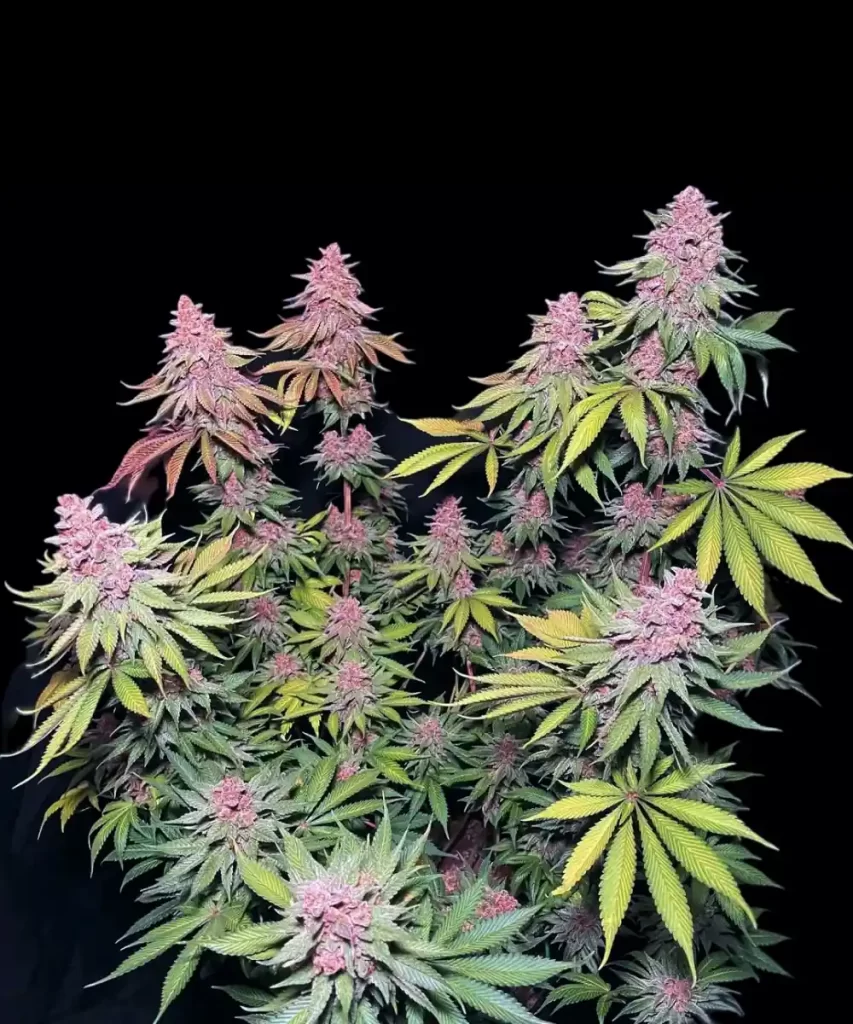
Rainbow Chip’s resinous appearance is appealing, but a successful repeat grow needs more than a striking photograph. A keeper is an individual whose finished quality and growing behavior suit your space.
Label plants and their harvested branches throughout the run. If you may want to repeat an individual, take and label a healthy backup cutting while it is still practical. A new seed from the same packet is not a replacement for that plant.
| Selection criterion | What to record | Why it helps |
| Canopy fit | Height differences, branching, and training needed | Shows whether the plant suits your room without constant correction |
| Flowering progress | Counting method and actual maturity assessment | Prevents a fast-looking top from defining the whole plant’s finish |
| Finished aroma | Mint, fruit, citrus, chocolate-like or other notes actually detected | Separates attractive names from the expression you prefer |
| Usable harvest | Dry trimmed output and material rejected | Values clean finished flower rather than fresh weight or oversized buds |
| Repeatability | Performance of the retained clone in a later run | Tests whether the first result can be reproduced |
Give samples comparable treatment. If one plant dries beside a fan and another dries in a sheltered corner, the finished aroma comparison is not entirely about genetics. Unequal growing space can distort yield comparisons in the same way.
A sensible selection might favor a slightly less spectacular plant that fits the canopy and retains an enjoyable mint-citrus profile. Alternatively, a standout flower may justify more careful training in its next run. Make that choice explicitly rather than calling the highest THC result the automatic winner.
Heavy visible resin does not establish solventless wash yield or a particular trichome-head size. If extraction performance matters, it requires an actual controlled test of the material. Do not infer it from frost alone.
Keep each plant’s identity through trimming and storage. Separate branches with space around them, avoid continuous direct airflow onto flowers, and handle stems rather than repeatedly squeezing the buds.
Dry under stable, controlled conditions and follow moisture loss instead of an automatic two-week countdown. Flower size and branch arrangement affect how quickly different samples dry. A brittle outer surface can coexist with moisture deeper inside a large bud.
Inspect representative material before sealing a whole batch. If a sample container’s humidity rises as moisture redistributes, reassess drying rather than treating the rise as desirable curing. A small hygrometer is a management aid, not a certificate of microbial safety.
Once moisture is stable, store labeled flower in suitable sealed containers away from heat and light. Keep comparison samples under similar conditions and evaluate them after a consistent interval. Curing can change the aroma balance, but it does not rescue contaminated material or guarantee a stronger chocolate note.
The dry-tent temperature and humidity guide provides more detail on setting up the room. For a selection run, the extra priority is consistency between plants.
Check the seed format, leave room to resolve a regular-seed lineup, and train for useful flower sites rather than a maximum top count. Those decisions make the rest of the run easier to evaluate.
Rainbow Chip’s appeal is the combination of dessert-family flavor and a plant that can be shaped into a productive bush. The best individual for your garden is the one whose finished quality works alongside manageable structure—not necessarily the tallest, frostiest, or most heavily advertised.
For a broader look at related flavor families, explore the Hypno Seeds feminized collection. Each cultivar has its own parentage and growing profile; related genetics are not a substitute for Rainbow Chip itself.


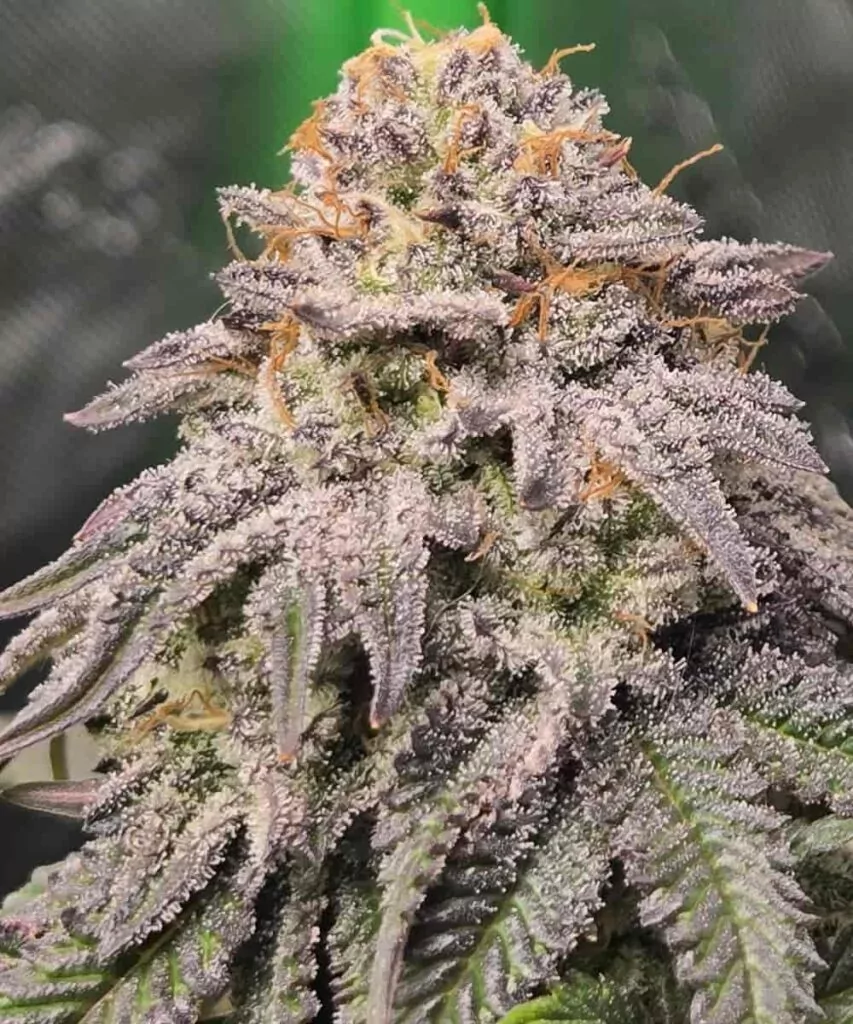


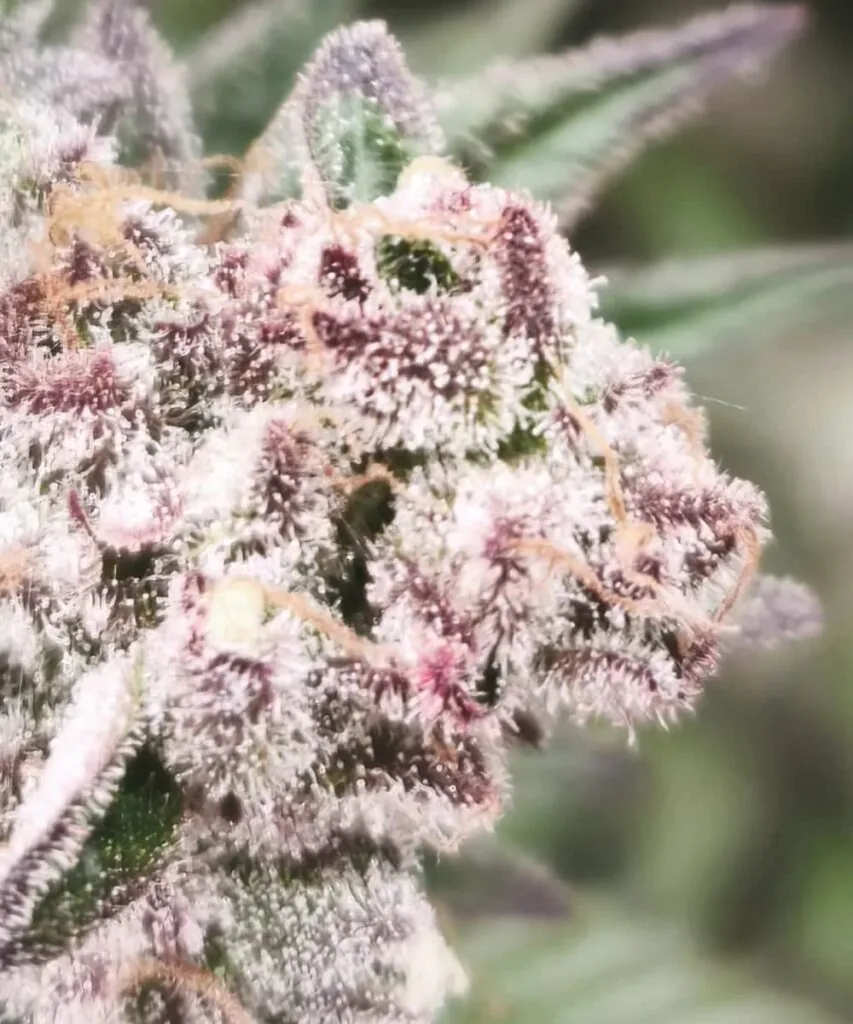
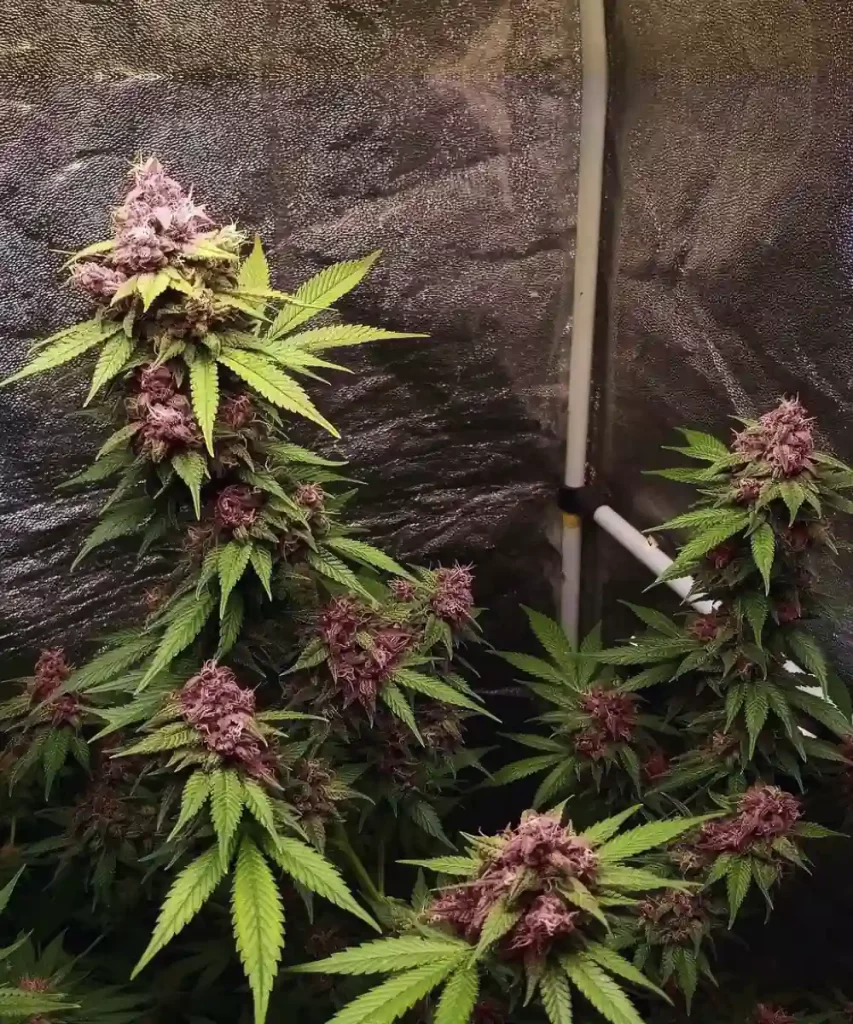
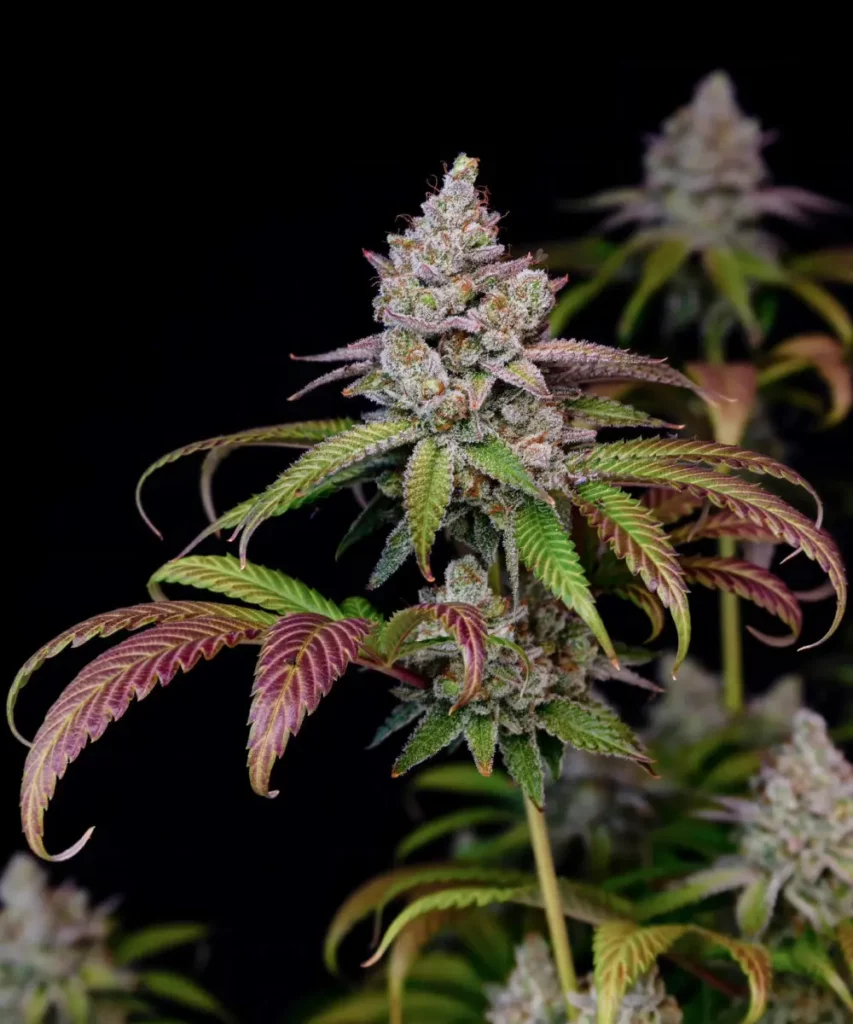

I planted 10 Super Boof seeds, and all germinated without a hitch. The plants grew strong and healthy, producing dense, frosty buds with a sweet, earthy aroma. The high is uplifting yet relaxing—a perfect balance. Impressive yield too, even with minimal effort

I’ve been growing weed for 30+ years, and to be honest, it’s quite difficult to surprise me. After a few decades of facing different strains, changing growing conditions, and solving whatever problem you could possibly think of, by then, I believe I’ve seen it all in cannabis growing.
Gary Payton defied every single one of my expectations.
The plant thrived, growing to an impressive 6 feet in what seemed like a blink of an eye. It quickly filled out with buds and displayed better smell each day, showing solid proof of superior genetics. The buds were tight, aromatic, and a source of immense pride, surpassing the outcome of many of my previous endeavors.
Hypno Seeds with their Gary Payton strain has won my complete admiration and loyalty. Outstanding genetics in this plant have truly turned what I always thought of to be an experiment with negligible expectations into one of the most satisfying grows of my long career.
Looking forward, my excitement for the next growing season is unparalleled. I can’t wait to see how much I can take these strains, especially with the attention that Gary Payton really does deserve right from the start.

TRUE MAGIC! This strain really stands out. I am trying Hypno Seeds for the first time and I surely made the right choice. I will be ordering more RS11 seeds just to keep this beauty in my garden for the upcoming season. Growing in Virginia and it’s only shown perfection by now.

Starting my latest grow, I decided to try out some Blackberry Kush from Hypno… I planted her on a whim alongside my other favorites. Hypno Seeds said it had to be a powerful plant with rich, fruity scents… Seeing is believing. She developed purplish hues and dense resin coated buds and quickly took center stage in my garden and produced much more than expected. The buds are tightly packed, literally bursting with the heady aroma. The yield? Very impressive for her conditions…
Germinated three seeds using the paper towel method with100% success rate within 48 hours. Planted in 5 gallon pots with living soil under a 315W CMH light. Plants remained compact (3.5 ft) with thick lateral branching, showing high resistance to humidity and minor nutrient fluctuations. Yield per plant: 5.8 oz of extremely dense, trichome-heavy buds. Smell profile during flower: sharp pine, pepper, and a hint of citrus. Harvested at week 9, after trichomes showed 30% amber for peak sedative effects. Smoke report: Potent. Deep relaxation without full sedation. Ideal for stress relief.


